matching, plainly
How random video chat matching works before your first call
A random pairing draws from everyone connected to a service at that moment, then narrows the pool by whatever filter is switched on. Fewer people online at a given hour means a longer wait, not a different method, and that is how random video chat matching works on omegle nsfw and elsewhere.
The screen opens straight into gender selection, then searches for someone new.
Before a call connects
- Camera and mic Both must be granted before a match can begin.
- Stable connection A drop during search restarts the wait, not the pairing itself.
- Tidy, private frame Whatever sits in view becomes visible the instant a match connects.
How a match gets built
-
Set a filter first
A caller opens the chat and, where a filter exists, sets it, such as gender, before searching starts.
-
The pool narrows
The service pools everyone connected right then who fits that filter and is not already paired.
-
A match forms
A pairing forms from that pool. When the pool is thin, the wait grows; the method does not change.
-
Skip or end
Once connected, either side can move to someone new or end the call outright.
-
Report if needed
A report, separate from a skip, is the action that reaches a moderator about that specific pairing.
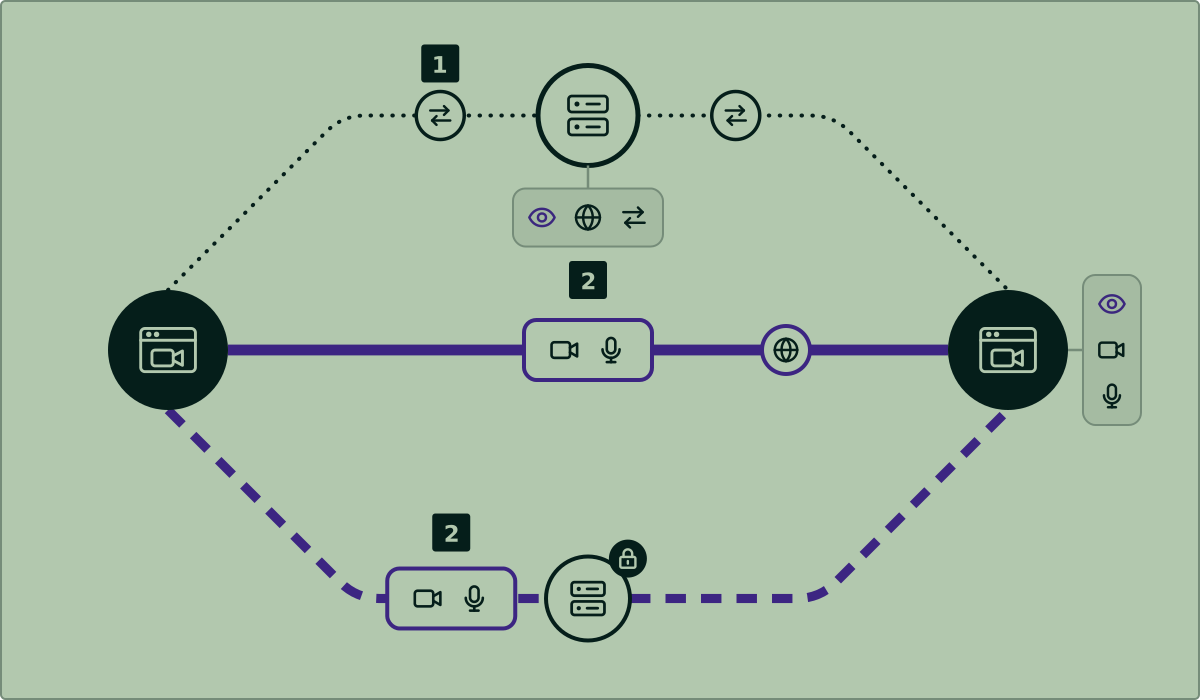
Why the pool matters more than the filter
Understanding how random video chat matching works starts with the pool itself, not the filter sitting on top of it. A random video chat app built without any filter draws from the largest pool it has. By its own description, this chat runs random video calling: after a gender choice on the first screen, it searches its full pool of people online for that setting, matching men with women specifically instead of pairing any two strangers at random (). A filter narrows that same pool; it does not swap out the underlying method. Gender matching here is built into the chat's own video call interface instead of sold as an extra (), and among the five services checked, both camzey and camloo confirm a free gender filter of their own (,).
What a paid filter changes
A paid filter tends to sit on top of a free method, adding a narrower slice of the same pool instead of swapping in a separate random chat video call system underneath it. This chat's card does not confirm a country filter either way, so that is not promised here. Camloo lists a free country filter of its own (), and so does Chaturbate (). Neither one changes the basic process behind any random video chat website: connected people, narrowed by whatever is switched on, then paired from what remains. Someone who wants video with a country pick specifically, instead of a fully open pool, is really asking for a narrower slice of the same list, not a different search.
What a random app actually shuffles
A random video chat app is not reshuffling the entire internet on every search; it is reshuffling whoever happens to be connected to that one service at that one moment. Two services with identical filters can still produce very different waits and very different pools, simply because their own user bases differ in size and time zone. That is a separate fact from how random video chat matching works underneath it all — the shuffle itself, filter aside, is the same basic idea everywhere: connected people, matched at random from whoever currently fits.
Why waits stretch at some hours and not others
The pool a service draws from is simply whoever happens to be connected at that moment. A quieter hour means fewer people to match against a given filter, and that alone stretches the wait before a pairing forms. It is a function of how many people are online right then, not a change in the chatting software behind the match itself, and it holds whether a filter is switched on or off. A test video call run at a busy evening hour and again at 6am on the same device will usually show that difference on its own, filters unchanged either time.
If something looks off before a match
-
The wait feels far longer than usual — is the method different?
No. A long wait almost always traces back to fewer people connected at that hour against the filter chosen, not a change in how pairing itself works. Loosening or removing a filter temporarily is the direct way to test that.
-
A match keeps loading and then drops before connecting
That points to a connection issue, not the matching step itself; the search restarts from scratch instead of resuming, so a stable connection before searching again is worth checking first.
-
The person on screen looks under 18
Ending the call and using the report control, not a skip, is the right move, since only a report reaches a moderator about that specific pairing.
-
A caller on the other end asks to move off-platform first
Treat that as a reason for caution, not a normal part of matching; nothing about how pairing works requires leaving the chat's own screen.
What no sign-up changes
The chat states an entry with no account required, so the video call button stays live the moment the page loads (). That changes how fast a pairing can begin. It does not change how the pool itself gets built. Camzey and Camloo each confirm sign-up as not required too (,), while Badoo lists an account as required before matching starts (). Whether that step exists changes only what happens before a search, never who ends up in the pool once one begins.
A note on message limits, not just call limits
Alongside video, this chat runs a messages tab with a free limit the service does not publish a number for; no fixed size limit on messages is stated in its own terms (). According to the same terms, that sits apart from video matching itself, which is unlimited by filter but not by time on the free tier (). That distinction between a call limit and a message limit is part of how random video chat matching works on this particular chat, even once a filter and a sign-up question are both out of the way. Reading the free-versus-paid picture and the safety differences between modes together rounds out what a random app promises before a first call, and this site's blog collects further notes on the same topic as they get added. Every service this site tracks, working or not, is listed on the home page.